What to do When a Death Occurs
A death can occur at any time and be either expected or unexpected. San Diego County has about 19,000 deaths yearly (about 55 people/day), and many procedures are in place to handle the situation. Generally, there are three locations where passing can occur, each covered in the appropriate section below.
If the deceased was under supervised care when death at home was anticipated, you should contact the hospice program or care provider’s company first. The care organization will arrange to have the end officially pronounced and then arrange to remove the deceased. Sometimes the family wishes to have the loved one at home for a while for a home vigil, allowing relatives to come over and say their farewells.
We cannot take the deceased into our care until the individual has been officially pronounced dead. Once we have been notified that you and the appropriate authorities approve the passing and removal of the deceased body, we can arrive quickly at your location – generally within an hour or so. During this time, spend some time with your loved one saying goodbye.
If the person was NOT under some program care where the death at home was expected, you should call the police (911) – unexpected death. A police officer will come to your home and determine if the death needs further investigation or looks to be of natural causes. The medical examiner will be called as a matter of course. If the medical examiner can find a medical doctor to sign the death certificate, the medical examiner will allow the deceased person may be transported to our funeral home. The police officer will give you a waiver number which we need to take your loved one into our care.
After we receive word that it is OK to take the deceased into our care, we move rapidly to your residence. This happens fairly quickly – generally an hour or so – after we are notified, but you will have some time with the deceased while awaiting our arrival.
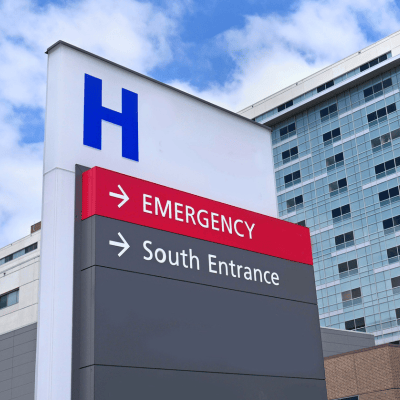
If a person passes into a hospital, the hospital will make all the appropriate notification.
You will need to notify the hospital which funeral home you have selected to use for the arrangements. They will do their paperwork and call the funeral homes when ready to release the person. The release may be relatively soon or take a day or so to process through their decent affairs department.
Please know a few things to understand what happens.
They passed into the emergency room – If the person passes into the emergency room, you should notify the funeral home and inform them who is the decreased primary care doctor. Emergency room doctors do not certify death certificates since they are unfamiliar with the patient’s medical history.
Passed from a Drug Overdose – the Medical examiner will notify if the person passes from a drug overdose.
Possible Legal Issue: The Medical Examiner is notified if the person has passed various issues they may be interested in, such as multiple traumas
Funerals Your Way
When you do call us we will ask for some basic information about you and the deceased. One of the first things we try to determine is who will have legal responsibility of making decisions for the deceased. This is usually the next of kin but the deceased my have assigned a “Durable Power of Attorney for Health Care” to another party. We also have a decedent information form which we may ask you to complete. It provides us with most of the information required for the death certificate.
We then usually schedule an appointment to come into our office to sign the legal paperwork. This however can be done by email or fax, should that be better for you.
