
What to do with Cremains
Scattering / Keeping
Cemetery / Mausoleum
What to Do with Cremains – Lots of Options
The cremation process has become an increasingly popular choice for families when it comes to handling the remains of their loved ones. Once the cremation is complete, a question often arises: what to do with the cremains? This page serves as a guide to help you explore various meaningful and personalized options for honoring and memorializing your departed family members or friends.
Whether you are seeking ideas for scattering, interring, preserving, or transforming cremains into unique keepsakes, this comprehensive resource will provide you with inspiration and practical suggestions to find a fitting and heartfelt way to commemorate the life and legacy of your loved one.
Burial at Sea – Ash scattering
This is our preferred method of dealing with cremains. Burial at Sea – Ash Scattering – offers a unique and meaningful way to honor the memory of loved ones.
This service allows families to scatter the cremains of their departed at sea, providing a serene and picturesque setting amidst the vastness of the Pacific Ocean.
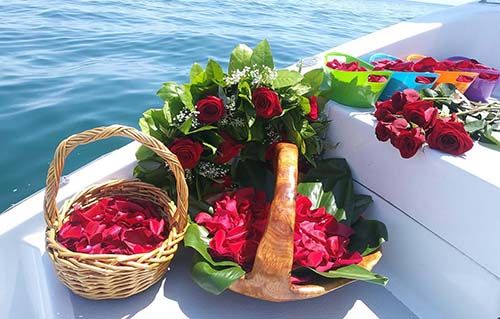
San Diego’s beautiful coastline and favorable weather make it an ideal location for ash scattering ceremonies. Families can choose from various options, including private charters or organized group services, ensuring a personalized and meaningful experience. As the cremains are released into the ocean, families can find solace in the peacefulness and natural beauty of the surroundings, knowing their loved ones are being returned to the embrace of the sea. This symbolic act allows for a profound connection to nature and serves as a poignant way to bid farewell to those who have passed on
Ash scattering on Land
Scattering human cremains on land is a significant and cherished way to honor the memory of a loved one. This timeless practice holds substantial emotional value and offers solace to those seeking a personal and eco-friendly memorial option. Individuals can establish a profound connection between their departed loved one and the Earth they cherished by choosing to scatter cremains on land. Scattering cremains in natural landscapes holds a deep symbolism, as it represents the return of a person’s essence to the elements from which life originates. It gives people a sense of calm and contentment to know that their loved one’s remains are permanently entwined with the beauty and quiet of nature.
Scattering cremains on land allows families to select locations with special meaning, such as a favorite park, beach, or other cherished natural settings. This personalization enhances the significance of the memorial and creates a lasting tribute that can be revisited and remembered for generations to come.
Interment in a Cemetery
When choosing a burial method for cremains, several factors come into play, including the preferences of the family and the associated costs.
There are 26 cemeteries in San Diego, each with unique features and offerings. Families in the area have a wide range of options, allowing them to select a cemetery that aligns with their cultural, religious, and personal preferences regarding laying their loved ones to rest. Some options to think about are below.
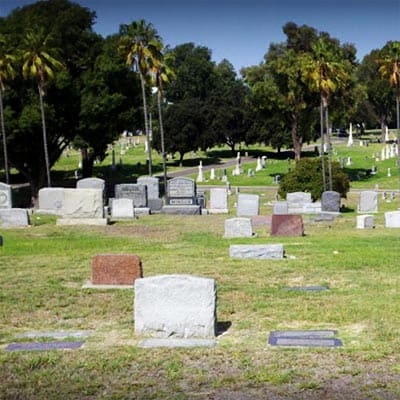
Traditional Burial Plot for Cremains
Some individuals choose to bury cremains in a standard burial plot. These plots are typically located within a cemetery and are commonly used for conventional casket burials. However, traditional plots can also be used for burying urns containing cremains. The cremains may be interred in the ground, and a small marker or headstone can be placed to memorialize the individual. This option allows families to have a physical location to visit where they can pay their respects and honor the memory of their loved ones.
Cremation Plot for Cremains
A cremation plot is a designated area within a cemetery designed explicitly for burying urns. These plots are often smaller than traditional burial plots, allowing for the interment of multiple urns in a concentrated area. Cremation plots may have markers, plaques, or other memorial elements to identify and honor the individuals buried there. They provide a dedicated space for cremains while offering the benefits of a cemetery setting, such as maintenance, accessibility, and a serene environment for remembrance
Urn Garden for Cremains
Mausoleum for Cremains
Interment in a mausoleum is a dignified and distinctive burial option that offers a sense of permanence and reverence. Mausoleums are grand structures designed to house individual or family crypts, providing a secure and protected final resting place. A mausoleum’s serene and elegant environment offers families a peaceful space for reflection and remembrance. With their architectural beauty and meticulous craftsmanship, mausoleums provide a timeless tribute to those laid to rest within them. Families who choose interment in a mausoleum can often appreciate having a dedicated space where they can sit and honor and visit their loved ones in a peaceful and sheltered setting.
There are also large mausoleums designed for thousands of individuals both casketed remains as well as cremains.
Taking the Cremains Home
Taking cremains home is a common choice for many families after the cremation of a loved one. It allows for a close and personal connection with the departed, providing comfort in the home environment.
Families can select a suitable urn or container that resonates with their tastes and preferences, ensuring a meaningful tribute to their loved ones. Placing the cremains in a prominent location, such as a mantelpiece, memorial shelf, or dedicated memorial space, allows for regular remembrance and reflection.
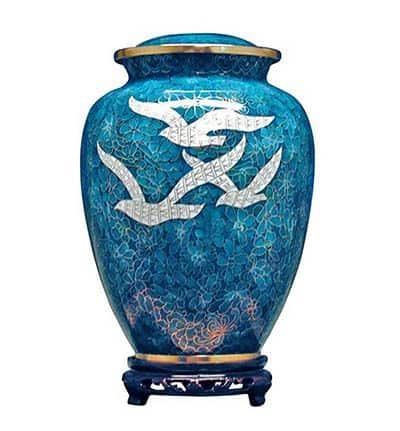
Cremation glass is an art form that gives a lasting memory of someone you loved through its preservation in hand-blown glass pieces. This way, they become part of any home decor as permanent reminders.
Having the cremains at home provides a sense of closeness. It allows family members to feel the continued presence of their loved ones and offers a private and intimate space for quiet moments of remembrance, prayer, or sharing stories and memories.
Many families find solace in knowing that their loved one is always nearby, creating a sense of comfort and connection during grief. Keeping the cremains at home offers flexibility, as it allows for easy relocation in case of moving or passing down the urn as a cherished family heirloom for future generations.
There are so many options. Please take a look at our blog article, Beyond the Urn: Exploring the Endless Possibilities of Cremains for 100 more ideas for using cremains.
