
A Cremation urn for holding a loved one cremains may be a difficult decision because there is such a great variety. Finding a means to celebrate a loved one’s memory becomes vital during these difficult moments because losing someone is an unavoidable part of life’s journey. Cremation is an increasingly popular choice in California (nearing 70%) for dealing with our loved one’s physical remains so many purchase a funeral urn.

Funeral Urns – An Old Tradition to Treasure Memories
Cremation offers a meaningful and versatile option for handling the remains of the departed. Families often select cremation urns for the ashes as part of the cremation procedure. It gives them a physical object to treasure and remember their loved ones. The use of an urn to hold and display cremated remains dates back to at least 7000 BC. This post discusses the significance of cremation urns and guides you to select the best urn for your loved one’s unique life.
Please see our blog post for information on actual cremation chambers (Retorts) and how they work.
Huge Variety of cremation Urns
Cremation Urns for funerals today are made from various materials. From traditional styling to contemporary, ensuring an urn suits every individual’s taste and preferences.
Families can choose a funeral urn that reflects their deceased loved one’s personality and preferences. Several materials can be used, including glass, metal, pottery, wood, stone, etc.
We have hundreds of urns online to select from.
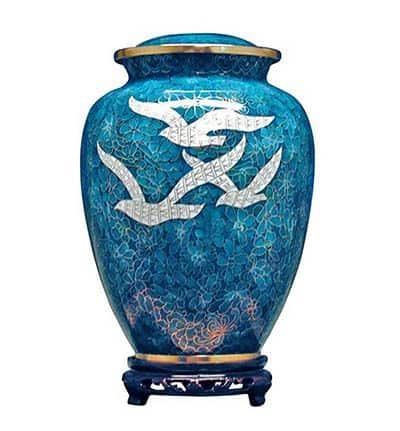
These varied materials make each urn unique and a piece of art in and of itself. Some urns feature intricate carvings, delicate engravings, or hand-painted designs, adding a touch of beauty and symbolism. Funeral urns are practical and elegant pieces proudly displayed in homes. As well as in memorial spaces thanks to these elaborate decorative elements.
The personalization of cremation urns has become increasingly popular. Families often customize urns with engravings of names, dates, or meaningful quotes, further honoring the memory of their loved one. Some urns can even incorporate photographs, allowing for a visual representation of the departed and creating a more personal connection. By adding these personal touches, urns become cherished keepsakes. They hold the cremains and the memories and love associated with the deceased.
Biodegradable Urns
There is also a category of urns known as Biodegradable urns for both in-water and soil burial – we have a different post regarding them. We are a leader in the San Diego area for burial at sea – ash scattering, so we have a great deal of experience with water-biodegradable urns. In this post, however, we are talking about more durable urns to keep in your home or place in a mausoleum.

Size and Weight of Cremation Urns
Keepsake Urns
A keepsake urn is a smaller alternative to traditional urns, specifically designed to hold only a tiny amount of cremated remains. Often, families choose to scatter the majority of the cremains while wanting to preserve a small portion. A keepsake urn can be used for this as a personal memento. This small urn allows them to honor the memory of their loved ones while also retaining a tangible connection to them.
Furthermore, keepsake urns are particularly beneficial when families wish to distribute the cremated remains among siblings or other family members. In such cases, each individual can have their keepsake urn. This gives them a personal and intimate remembrance of their departed loved one.
This division of cremains allows each family member to have a unique keepsake, allowing for individualized grieving and remembering. Overall, keepsake urns are significant in allowing families to customize their mourning experience. They find solace in keeping a small part of their loved one’s ashes close to them. This is a tangible reminder of the lasting impact their loved ones had on their lives. This helps in fostering a sense of comfort and connection.
KeY Point to Select a Funeral Urn
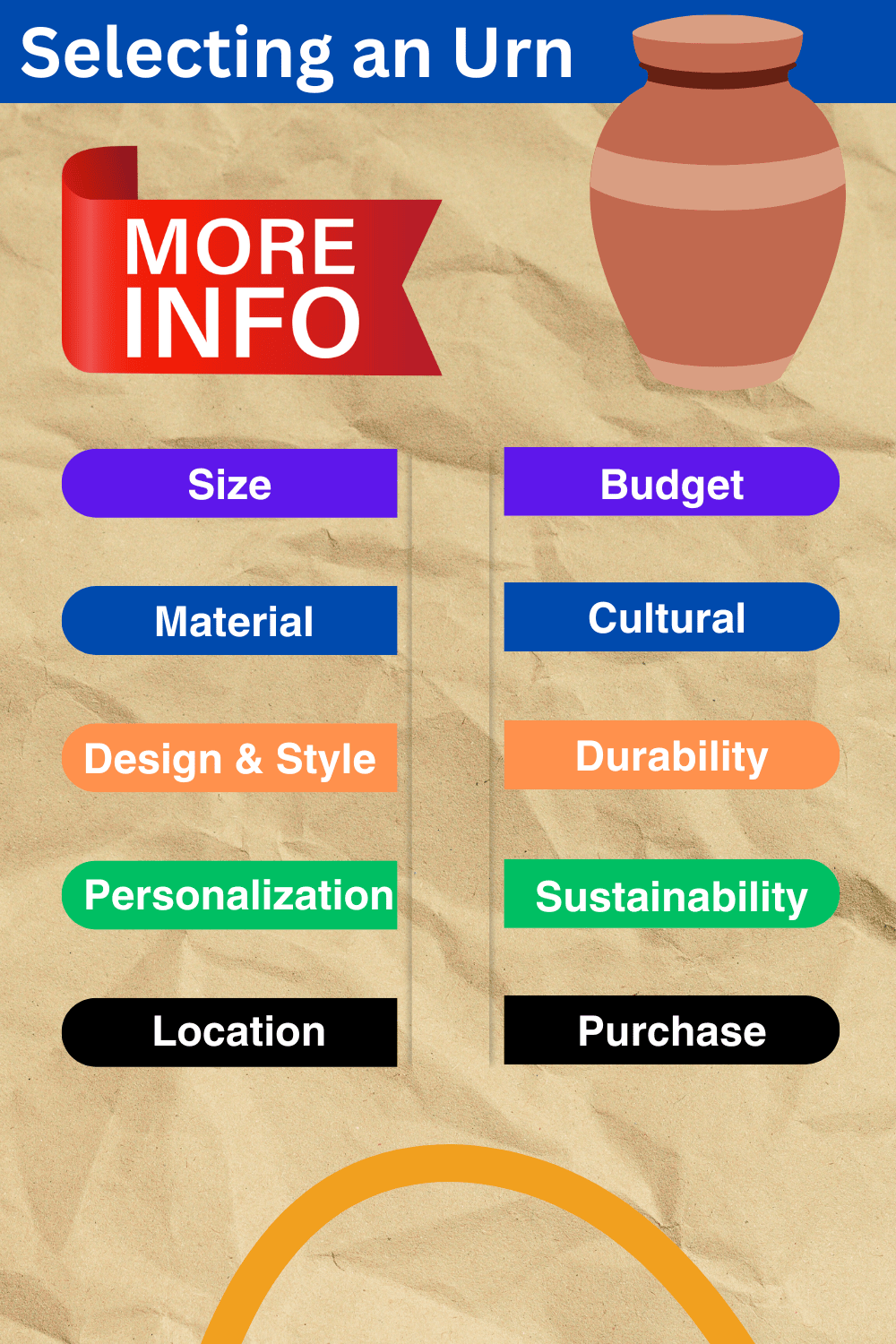
Size: Choose the appropriate urn size based on the amount of ashes you have. Most urns have a 200 cubic inch size, which is adequate for a typical adult. If you want to divide the ashes, you might need smaller containers or a keepsake urn.
Material: Consider the material’s strength, appeal to the eye, and significance. There are many different materials available for urns. Some materials are for outdoor use or burial; others are best for indoor display.
Design and Style: Pick an urn that embodies the deceased’s character, passions, or principles. Urns come in various styles, such as traditional, modern, religious, nature-inspired, or personalized options. Please look over the overall aesthetics to see if they suit your tastes.
Personalization: You can add engravings, photos, or original artwork to various urns. Personalization gives a gift a distinctive flair and makes it a heartfelt memorial to a loved one.
Location: Consider where you will display or set the urn before doing so. If it will be maintained at home, consider the décor already there and pick an urn that blends in. Check the precise requirements and limitations on materials and sizes if you intend to inter the urn in a columbarium or cemetery.
Budget: Set your financial parameters in advance. The cost of urns varies depending on their construction, style, level of craftsmanship, and degree of personalization. Establish a budget that works for you, then look into options within that range.
Cultural or religious considerations: Take into account any customs or practices that may impact the urn you choose. The urn’s style, substance, or symbolism is specific and may consider subject to certain demands or preferences from certain religions or civilizations.
Durability and Upkeep: Take the urn’s long-term toughness and upkeep needs into account. While some materials might be more low-maintenance, others can need routine cleaning or polishing. You can select an urn that fits your preferences and maintenance needs.
Sustainability: Consider biodegradable urn options if environmental responsibility is important to you. These urns are made to decompose organically over time, making them an environmentally friendly choice.
Purchase the Urn
Cremation Urns – Conclusion
Cremation urns are containers designed to hold the cremated remains of the deceased. Families can choose one that perfectly reflects the personality and preferences of their loved ones. Urn made from biodegradable materials is also available as environmentally friendly. These urns provide families the choice of burying cremated ashes in a columbarium, keeping them at home, or scattering them in a specific location. They act honorably and meaningfully in doing so. The selection of a cremation urn carries a lot of emotional weight because it becomes a special treasured memorial and a place to keep the deceased’s memories.
